An autumn reading list need not mean five variations on the same novel. Start with what you want from the next book: a strong premise, another person’s experience, a puzzle or time for closer attention. These five choices come from editions available in 2026, including reissues. Each asks how much control people have over their lives, but they approach the question in different ways. This is a list for October, not a claim that every book first appeared this month.
READING ROOM · READING LISTS
What to read in October 2026: five different directions
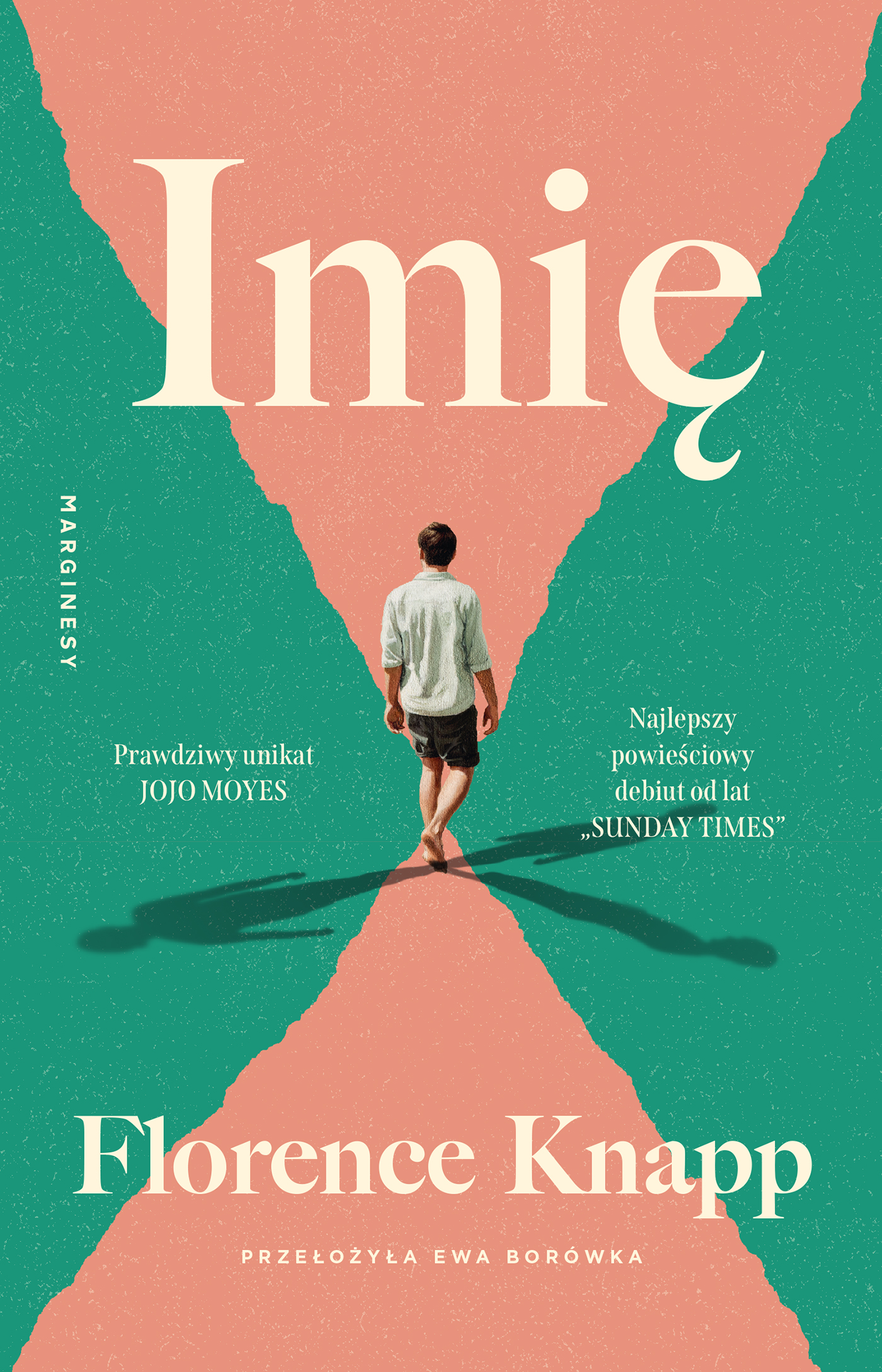
For the consequences of one decision
Imię
The three possible family histories invite comparison rather than a single forward pursuit. Choose this if a structural idea helps you think about relationships. As the alternatives unfold, ask what the name changes and what remains embedded in the family’s existing distribution of power.
Read the review →
For love placed under observation
Odpowiedzi
Mary’s job in an experiment about ideal love turns intimacy into work performed on someone else’s terms. Choose it when you want unease rather than reassurance. A useful question is who can end the experiment, and who depends on it too much to walk away easily.
Read the review →
For reading between the sentences
Nie opuszczaj mnie
Ishiguro offers a different kind of suspense: memories change significance as the reader understands more. Avoid learning too much about the premise beforehand. This choice suits readers more interested in how loss is narrated than in quickly obtaining a complete explanation of the fictional world.
Read the review →
For a move from fiction to investigation
Anom
The FBI-controlled messaging app offers an immediate hook, but the book need not be read only as the story of a clever operation. Pay attention to how trust in a technology is established. That question connects an extraordinary investigation with the everyday experience of relying on systems we cannot fully see.
Read the review →
For a different pace
Księga lata
After books about systems and control, return to an island, a grandmother and a child. Jansson’s compact form makes room for an individual encounter. This is a change of scale rather than automatic consolation: a relationship can be significant without a large external event organising every part of the story.
Read the review →Where to start
If you choose just one, start with Imię for its structure, Anom for an investigation, or Księga lata for a change of attention. A useful list helps you decide, not complete an obligation. Each linked review identifies the language of the featured edition.