Coming home is often presented as the end of a journey. In fiction it can be the beginning of the real conflict. We have changed, the place has changed, or the conditions of belonging have only now become visible. These four books consider social class, family acceptance, exile and inherited place. Reading them together makes clear that the same word, home, does not describe the same experience.
READING ROOM · READING LISTS
The difficulty of coming home: four books about belonging

Education does not settle everything
Blisko domu
A graduate’s return to Belfast places the promise of advancement beside familiar mechanisms of helplessness. Choose this for the tension between individual effort and surrounding conditions. Ask whether changed ambitions are enough to alter the relationships that helped form the protagonist.
Read the review →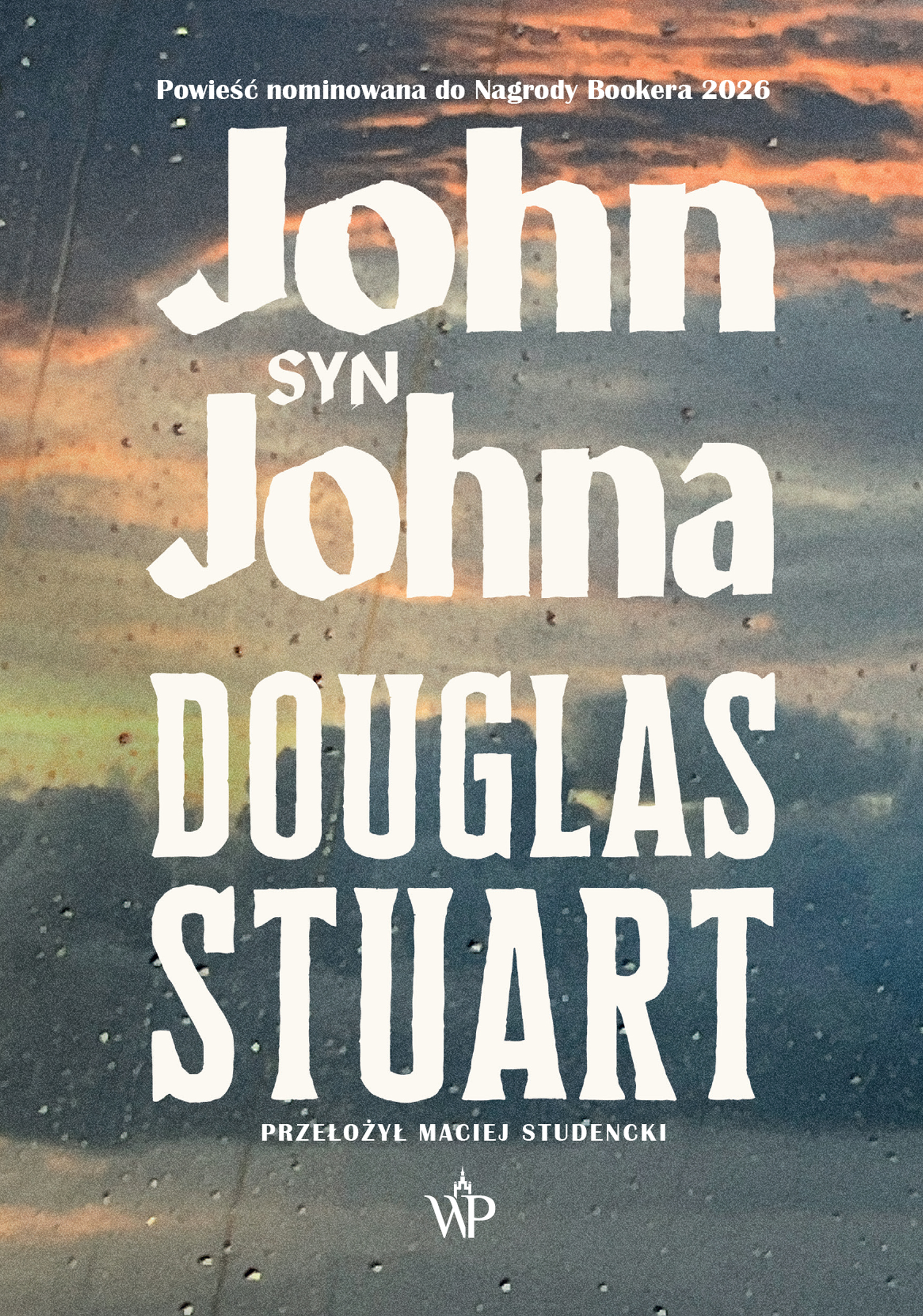
Closeness with conditions attached
John, syn Johna
Stuart’s premise concerns the possibility of returning with one’s whole identity. Family may offer attachment while expecting silence. Choose this for the cost of accommodation: what must remain hidden to preserve a relationship, and when does preserving it begin to mean losing something of oneself?
Read the review →
A home maintained between people
Moi przyjaciele
Three Libyans in London make exile visible as an experience extending through time. Friendship preserves a shared past without requiring identical choices. Notice the differences: people deprived of the same route back can organise very different relationships with country, memory and the future.
Read the review →
A place older than our arrival
Niedom
Post-war Lower Silesia raises the question of a home with earlier inhabitants and an unresolved history. Closing the door does not make a place entirely one’s own. Choose this for the tension between the need to put down roots and the memory of what existed before arrival.
Read the review →Where to start
One question can organise a discussion after reading: who has the authority to say “you belong here”? The answer may be a family, an institution, neighbours or the character. The difference between those answers reveals how much is at stake in an apparently simple return.