A city book need not move from landmark to landmark. It can gather voices, examine a neighbourhood dispute or describe a mood that escapes a guidebook. These accounts place Warsaw, Madrid and Trieste on three different kinds of map. Notice what each writer treats as the city’s basic unit: a building, a person, a memory or a relationship. That choice shapes the place a reader encounters.
READING ROOM · READING LISTS
Cities to read: Warsaw, Madrid and Trieste
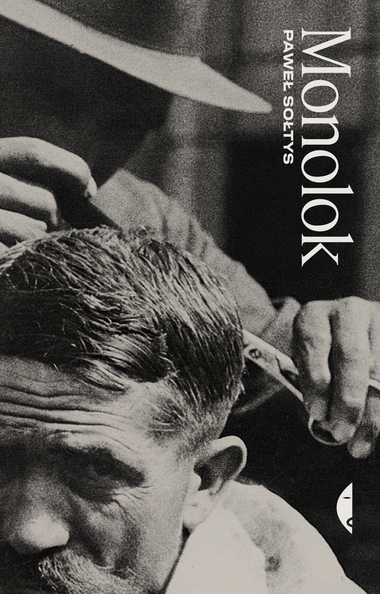
Warsaw as a collection of voices
Monolok
With Sołtys, begin at the scale of an individual story. Choose this if you would rather listen to a manner of speaking than receive a panoramic view. Small accounts form an archive that a list of addresses cannot replace. Notice how the character of a place enters a sentence’s rhythm: a city can be present without a famous landmark being named.
Read the review →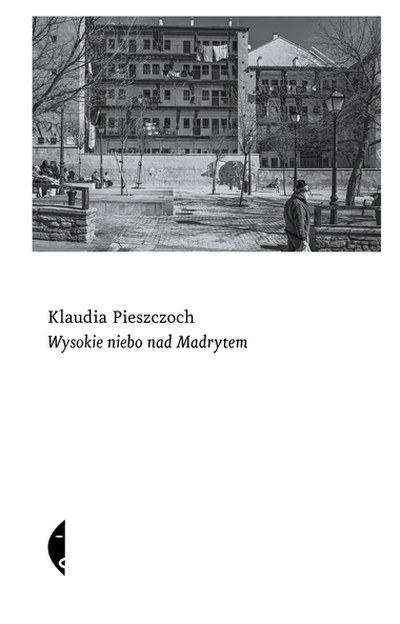
Madrid as a space made together
Wysokie niebo nad Madrytem
Neighbourhoods, culture and social movements move beyond Madrid as a destination alone. Choose this if you are curious about how residents negotiate the use of their city. Ask who can feel at ease in a space and which histories disappear from its representative image. This need not remove the pleasure of travel; it gives a visitor reasons to look more carefully.
Read the review →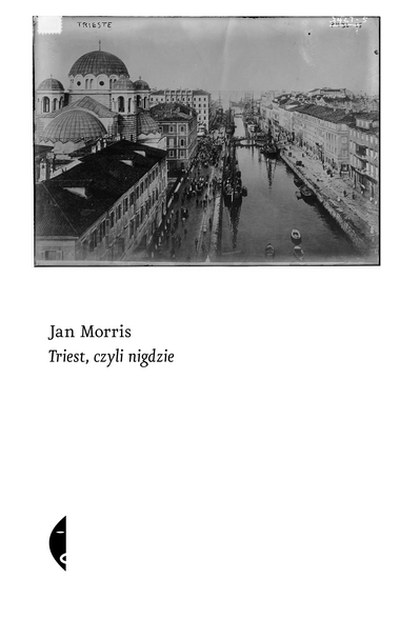
Trieste as a personal attachment
Triest, czyli nigdzie
Jan Morris reveals how much a place’s portrait depends on the observer. History and melancholy do not become an ordinary itinerary. Choose this if a particular city occupies more room in your life than the number of days spent there would suggest. Remain curious about both the place and the gaze that gives it this distinctive presence.
Read the review →Where to start
After any of these books, try describing your own street without naming its important buildings. What remains: people, sounds, conflicts, memories? The answer can help identify the kind of city writing you will want to read next.